


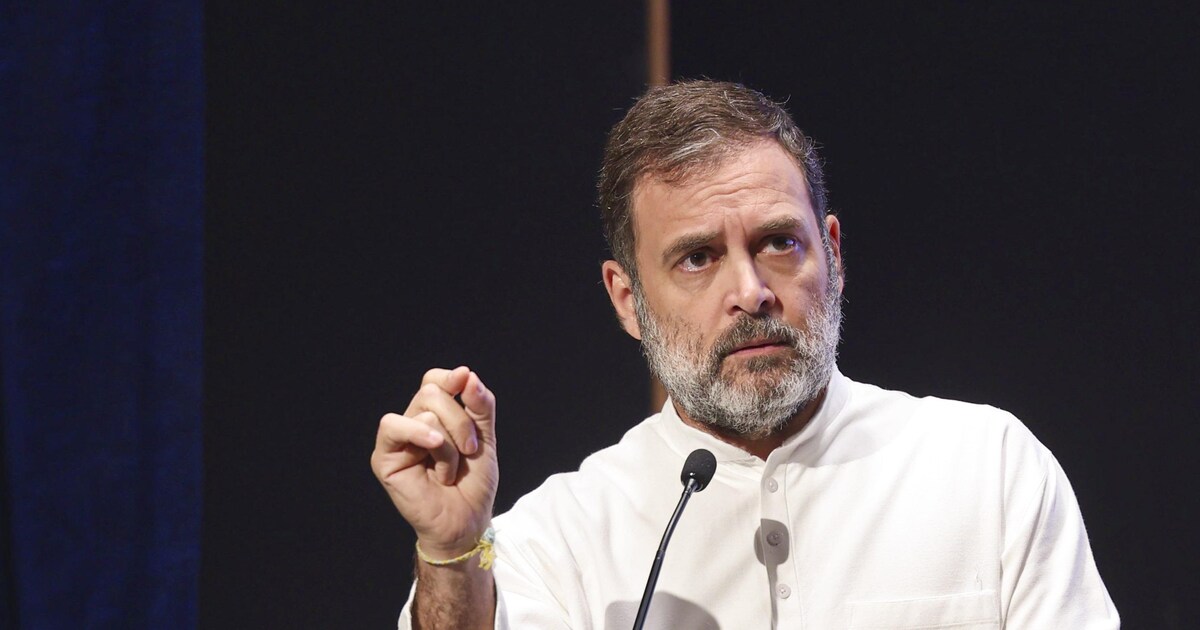

The Congress Party has thrown down the gauntlet against the BJP-RSS alliance, alleging a conspiracy aimed at silencing Rahul Gandhi, the Leader of Opposition. The accusations arise from remarks made by Printu Mahadev, a former leader of the Akhil Bharatiya Vidyarthi Parishad (ABVP), which sparked outrage within the Congress.
On Monday, Congress leaders highlighted what they described as a “chilling and heinous” death threat directed at Rahul Gandhi, deemed to have originated from Mahadev. This incident underpins a tense political atmosphere where priceless democratic principles seem to be at stake.
Pawan Khera, head of Congress’ media and publicity department, stated, “A BJP spokesperson said on TV that ‘Rahul Gandhi will be shot in the chest’ and no action has been taken.” Khera’s remarks pointed toward a perceived inaction from authorities regarding threats made against high-profile political figures.
In a press briefing, Khera questioned the motives behind the alleged threats, arguing that they signify a deeper issue of ideology being on the back foot within the BJP. “Those who are losing the ideological battle are resorting to violence. Before this, the CRPF notified Congress President Mallikarjun Kharge about a threat to Gandhi’s safety, yet it was leaked,” Khera pointed out.
Congress leaders frame the BJP’s apparent inaction as evidence of a conspiracy. “This situation smells of a conspiracy, and we must ask who stands behind it,” Khera said, expressing concern for the safety of Rahul Gandhi. “You cannot digest the fact that people from Kashmir to Kanyakumari resonate with the issues raised by Gandhi,” he charged.
Khera underscored that the party stands firmly against this violence, calling such acts a severe threat to Indian democracy. “The nation knows who is hatching this conspiracy and details of the threats,” he noted, condemning the growing trend of violence and bullying in political discourse.
In a striking post on social media platform X, Khera condemned the alarming pattern of violence traced back to supporters of the ruling party. “Every time the RSS fails to defeat the ideology of India, their foot soldiers resort to physical violence,” he suggested, drawing historical parallels to past political violence.
Meanwhile, Congress General Secretary K C Venugopal has called for immediate government intervention. In a letter addressed to Union Home Minister Amit Shah, Venugopal demanded swift action against Mahadev for his incendiary comments during a televised debate. He warned that failure to act decisively would normalize violence against political leaders, particularly Gandhi.
Mahadev’s allegations of Gandhi facing potential violence did not surface incidentally. Venugopal characterized the threat as “a cold, calculated and chilling death threat” impeding the safety of the Leader of Opposition.
“Such a declaration not only places Gandhi’s life in jeopardy but aggravates a toxic climate that compromises constitutional integrity and undermines public safety,” Venugopal elaborated.
He pressed Shah to clarify the government’s stance on the use of intimidation as a political tool. “Does your party endorse these tactics? Will you legitimize violence against opposition leaders?” Venugopal questioned, amplifying concerns that this pattern of behaviour is damaging India’s democratic fabric.
Venugopal’s statements resonated widely, with many observers noting that the threats against Gandhi are not singularly aimed at him. “This is about silencing the voice of millions. It’s an attack on the democratic spirit which Gandhi epitomizes,” he asserted.
The Congress emphasizes that the threat made against Rahul Gandhi exemplifies a larger trend of hostility towards opposing views in India’s political landscape. Many political analysts warn that this situation could lead to further unrest if not addressed appropriately by those in power.
The call for legislative accountability and prompt legal action reflects a growing concern in Indian politics about the intersections of violence and political dissent. The Congress rallies for clarity and transparency from the government regarding these threats, demanding a robust, democratic response.
In conclusion, if the ruling party does not act swiftly in this particular case, many fear that such threats may not only become normalized but may also invite more serious ramifications for India’s democratic integrity. The nation now awaits a response from the government concerning these blatant threats against Rahul Gandhi and, by extension, the political principles he stands for.